


There’s a particular kind of delusion that kicks in after you’ve spent a few good weeks somewhere.
The food is fantastic. The weather is cooperating. You’ve met some interesting people. Your money seems to go further than it does back home, and every day presents another opportunity to explore something new.
Naturally, you start thinking about moving there.
Maybe you look at apartment prices. Maybe you imagine what your routine would look like. A few minutes later, you’ve mentally relocated, redesigned your lifestyle, and convinced yourself that you’ve discovered the secret to happiness.
Congratulations. You’ve made a major life decision while essentially being on vacation.
I’ve spent enough time traveling and living abroad to recognize that feeling.
I’ve also reached a point where I can confidently say there are plenty of countries I’d happily spend several months in, but far fewer where I’d want to establish a permanent home or build my professional life.
Mexico, Japan, Colombia, China, Thailand, the list goes on.
These are places I enjoy for different reasons. The food, culture, people, experiences, and lifestyle opportunities can make an extended stay extremely appealing.
But ask me whether I’d want to navigate the local employment market, establish a company, deal with the bureaucracy, or build my entire financial future around living there?
Now we’re having a different conversation.
And that’s the distinction I’ve become increasingly interested in.
Traveling somewhere and choosing it as a home base are two entirely different decisions.
One is about what you can experience.
The other is about what kind of life you can sustain.
A Great Vacation Is a Terrible Business Plan
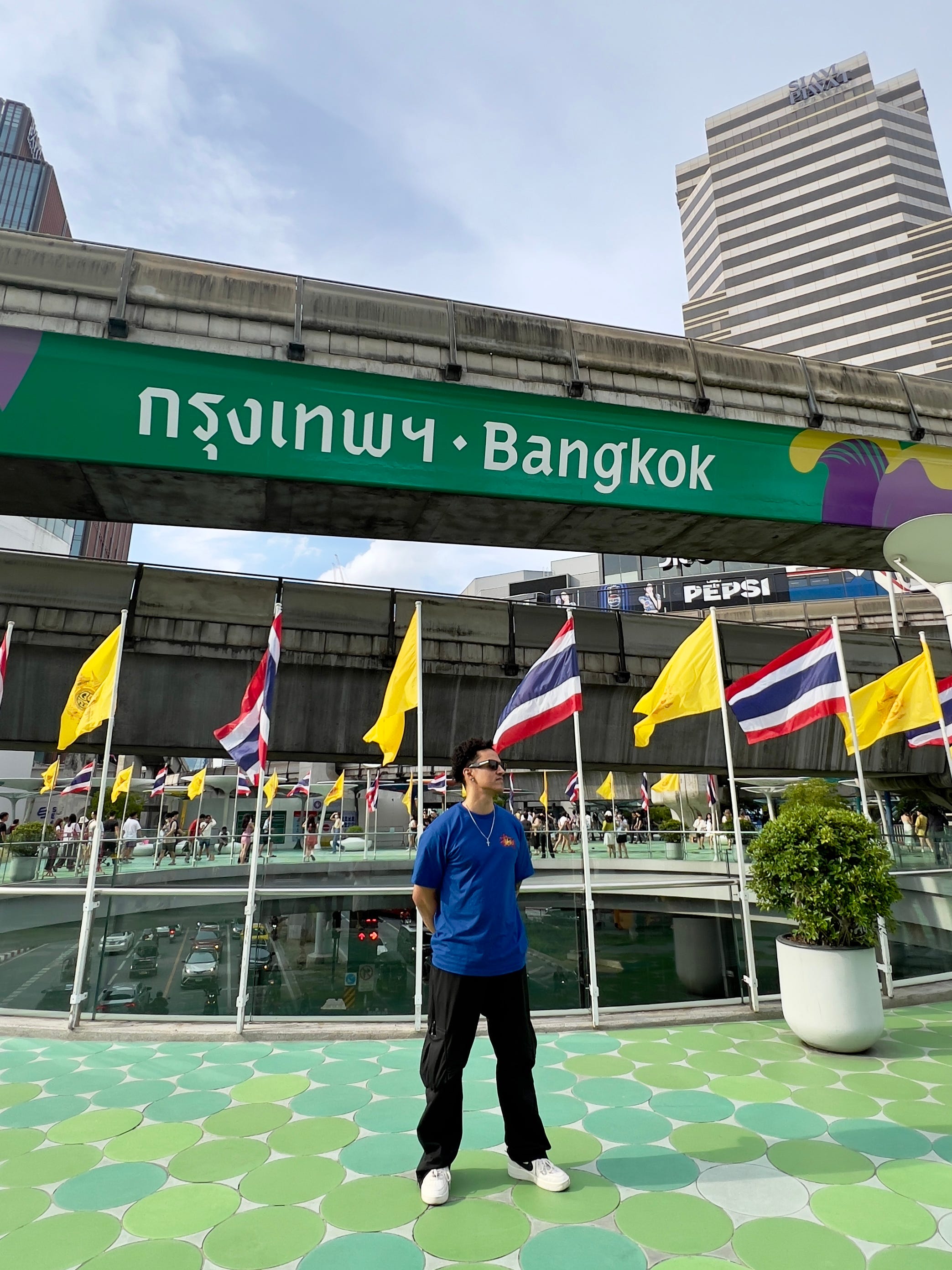
When you’re traveling, you experience a destination under unusually favorable circumstances.
Your schedule is flexible. Your responsibilities are reduced. Your attention is focused on exploration, entertainment, and discovery.
Even inconveniences can become part of the adventure.
A confusing transportation system? An opportunity to explore.
A restaurant that doesn’t have what you ordered? A funny story.
An unexpected delay? Annoying, but at least you’re somewhere interesting.
The problem is that these experiences don’t tell you much about how well the place functions as a home.
Eventually, the vacation ends.
You still have work to complete. You need groceries, reliable internet, banking access, medical care, a place to exercise, and an apartment that doesn’t require a maintenance expedition every other week.
You have obligations.
And some days, you simply don’t feel like doing anything.
That’s when your relationship with a destination begins changing.
The city that once felt like an endless playground becomes the environment in which you have to manage your actual life.
And suddenly, the things you didn’t pay much attention to during your first visit start becoming very important.
Can I maintain a routine here?
How easy is it to handle ordinary responsibilities?
Can I earn a good living?
What happens when something goes wrong?
Am I building meaningful relationships, or am I just surrounded by people passing through?
These aren’t particularly exciting questions.
Nobody books a flight to Thailand because they can’t wait to evaluate the administrative efficiency of the local banking system.
But when you’re deciding where to establish yourself, these details matter.
A lot.
My Priorities Have Changed

When I first started traveling, my criteria were relatively straightforward.
Was the place interesting?
Was the food good?
Were there attractive neighborhoods, interesting people, and a good social scene?
Could I enjoy myself without spending a fortune?
If the answers were yes, I was usually interested.
And to be fair, those are still important considerations.
I don’t want to live somewhere with nothing to do, terrible food, and a social environment that leaves me wondering why I bothered leaving home.
But my priorities have expanded.
As I’ve gained more experience living abroad and thinking seriously about business, finances, and the kind of future I want, I’ve become more concerned with how a location actually functions.
A low cost of living is attractive.
But what does the local economy offer?
A beautiful environment is attractive.
But how convenient is everyday life?
An exciting social scene is attractive.
But can I develop lasting relationships?
And perhaps most importantly, am I simply enjoying a pleasant environment while ignoring the bigger picture?
I’ve become less interested in identifying the cheapest or most exciting place to live and more interested in finding locations that support specific parts of my life.
That’s a meaningful shift.
Because once you start thinking that way, you realize that a destination can be excellent for one purpose and completely unsuitable for another.
Mexico City Is a Perfect Example

Mexico City is one of the most compelling places I’ve spent time in.
I’ve written about it extensively, and I still consider it a strong candidate for an extended stay.
The food is excellent, the cultural scene is enormous, and the social opportunities operate on a scale that few cities can replicate outside another major international metropolis.
You can spend weeks exploring and still feel like you’ve barely scratched the surface.
That’s a major advantage.
But Mexico City also has drawbacks that become more significant when you consider living there.
The pollution bothers me. Traffic can be exhausting. Street cleanliness is inconsistent, and the scale that makes the city interesting can also make everyday movement unnecessarily complicated.
For a visitor, those issues might be tolerable.
For someone considering a permanent home, they deserve more serious consideration.
Then there’s the economic question.
Would I happily spend several months in Mexico City while maintaining income and professional opportunities elsewhere?
Absolutely.
Would I automatically want to enter the local employment market and build my entire financial future around it?
Not necessarily.
Those are fundamentally different propositions.
The same applies to other places I’ve spent time in, including Colombia, China, and Thailand.
Each has its own advantages, and I could imagine spending meaningful stretches of time in them.
But enjoying a country’s lifestyle doesn’t mean I’d automatically want to depend on its employment system, navigate its bureaucracy indefinitely, or establish every aspect of my financial life there.
The specific obstacles vary considerably by country. Administrative systems that work efficiently in one area can be frustrating in another. Local employment opportunities, regulations, business practices, and the experience of foreign residents aren’t interchangeable.
And some challenges like bureaucratic delays, institutional inconsistency, corruption risks, or limited access to certain services are much easier to tolerate when your financial livelihood doesn’t depend on navigating them.
That’s why I think people need to distinguish between a country’s lifestyle advantages and its economic and institutional advantages.
They don’t always overlap.
You might love living somewhere with foreign income while having little interest in earning the equivalent through a local job.
And there’s nothing contradictory about that.
A country can offer an excellent lifestyle without offering the professional environment you want to build your future around.
That doesn’t make it a bad country.
It just means you should understand what you’re actually choosing.
The Places That Surprisingly Felt Like Home

Interestingly, some of the places that felt most like home weren’t necessarily the places I would have predicted based purely on scenery, nightlife, or affordability.
Hong Kong and Malaysia come to mind.
What stood out wasn’t simply that they offered interesting experiences.
It was how easy I could imagine life functioning there.
Food played a role, obviously. It always does.
But so did international connectivity, access to major airports, a strong commercial environment, and the practical advantages of living somewhere oriented toward international activity.
Hong Kong, in particular, left that impression.
There’s something appealing about being in a place that operates as a major international business and transportation center.
You have access to different markets, people, cuisines, and destinations.
The city isn’t simply somewhere to spend time. It’s a gateway to other opportunities.
Malaysia appealed to me for some related reasons, particularly the combination of food, international accessibility, and the possibility of maintaining a comfortable everyday lifestyle.
Neither location is perfect, and feeling at home somewhere doesn’t automatically resolve questions about residency, employment rights, taxes, or long-term affordability.
But that’s precisely the point.
The places that feel like home aren’t always the ones offering the most exciting vacation experience.
Sometimes they’re the places where everyday life feels manageable.
Where you can imagine maintaining routines, building relationships, handling responsibilities, and getting on with your life.
The experience becomes less about what you can do on Saturday night and more about how the place functions on Wednesday morning.
And increasingly, I think that’s the more useful measurement.
The United States Changed How I Think About Money

One conclusion I’ve reached through spending time abroad is that the United States remains my preferred environment for building income, accessing business opportunities, and accumulating capital.
I’m not claiming it’s the easiest place to live or that every profession pays better there.
It certainly has its own problems.
Housing can be expensive. Healthcare can be complicated. The cost of maintaining a comfortable lifestyle can be substantial, and depending on where you live, even basic errands might require a car.
But when I evaluate the market for my professional skills, the availability of business opportunities, the ability to work with established organizations, and access to capital and commercial infrastructure, the U.S. offers advantages that are difficult for me to ignore.
That’s especially relevant as I develop my own business interests.
The opportunity to build relationships with clients, compete for contracts, grow revenue, and establish a credible operation matters more to me now than it did when my primary concern was finding somewhere inexpensive and interesting to live.
This has changed the way I look at geographic arbitrage.
There’s a popular idea in international lifestyle circles that the objective should be to earn money in a high-income country and spend it somewhere cheaper.
And there’s value in that model.
But I think it’s incomplete.
The larger opportunity isn’t simply spending less.
It’s building a financial engine that gives you greater control over where and how you live.
Because saving money by moving somewhere cheaper is useful, but it doesn’t automatically create financial independence.
You still need a sustainable source of income.
You still need to manage risk.
And you still need to consider how your geographic choices affect your ability to earn, invest, and build something over time.
A place with a low cost of living can become surprisingly expensive if relocating there limits your earning potential or creates significant administrative obstacles.
Likewise, a more expensive location might be worth maintaining if it provides access to valuable professional opportunities.
I no longer think about location exclusively as a cost-of-living decision. I think about it as part of an income, opportunity, and lifestyle strategy.
And that changes the entire calculation.
Not Every Country Needs to Serve the Same Purpose

Here’s where my thinking has started moving beyond the idea of finding one perfect place.
For a long time, the conventional approach to choosing where to live seemed fairly straightforward.
Find a city you like. Establish yourself. Build your career, relationships, and routines there.
Maybe travel when you have the time.
But what if you don’t need one location to satisfy every requirement?
What if different places can serve different purposes?
One location might provide the strongest environment for business development and income generation.
Another might offer the cultural experiences, relationships, and lifestyle you enjoy.
A third might be important because of family connections and the sense of stability that comes with having somewhere familiar to return to.
These don’t necessarily need to be the same place.
In fact, trying to force them into one location might require more compromise than necessary.
That’s increasingly how I think about my own future.
Over the next several years, I’d like to develop an arrangement built around a primary business base, a recurring connection to Asia, and a place that keeps me connected to family.
The business base would function as the professional and financial anchor.
Somewhere that supports earning, client relationships, operations, and continued growth.
Asia would remain part of my life because of the cultural connections, experiences, and environments I’ve come to appreciate there.
And maintaining a connection to family would provide something that shouldn’t be overlooked when designing an international lifestyle: continuity.
I’m not suggesting that this arrangement would be effortless.
Managing multiple locations introduces its own complications.
Housing, travel costs, residency requirements, taxation, healthcare, insurance, banking, and maintaining personal relationships can all become more complicated when your life crosses multiple borders.
There are also practical limits. You cannot simply declare yourself geographically independent and assume immigration and tax authorities will share your enthusiasm.
Unfortunately, governments tend to have their own opinions about these arrangements.
And they usually put them in writing.
The point isn’t to collect residences around the world for the sake of looking internationally sophisticated.
It’s to build an arrangement that actually works.
One that gives you access to different opportunities without creating an administrative nightmare that defeats the purpose of having flexibility in the first place.
A Home Base Doesn’t Have to Be Forever
Another idea I’ve changed my mind about is permanence.
People often approach the question of where to live as though they’re selecting the final destination of their lives.
Where do I want to settle?
Where do I want to establish roots?
Where do I see myself twenty years from now?
Those are reasonable questions.
But they can also place an unnecessary amount of pressure on decisions that don’t need to be permanent.
The city that works best for you at twenty-five might not be the best choice at thirty-five.
Your income changes. Your relationships change. Your professional opportunities evolve.
You may want greater stability, a different environment, better access to family, or a more active social life.
A location that once offered everything you needed might eventually stop serving the same purpose.
That doesn’t mean choosing it was a mistake.
It means your requirements changed.
I think there’s value in viewing certain locations as chapters rather than permanent commitments.
You might spend several months somewhere to explore whether it fits your lifestyle.
You might establish a base for several years because of a professional opportunity.
Or you might eventually decide that one place offers the combination of relationships, stability, and convenience you want for a longer period.
All of those can be reasonable decisions.
The important thing is understanding why you’re making them.
And being willing to reassess when the circumstances change.
That’s very different from moving somewhere because you enjoyed a vacation and found an apartment listing that looked affordable.
The Six Questions I Ask Now
If I were evaluating a destination as a potential home base today, I’d approach it differently from how I did when I first started traveling.
I’d focus on six areas.
1. Can I build and maintain my daily routine?
This means housing, transportation, fitness, groceries, healthcare, internet, and all the small things that keep ordinary life functioning.
A place doesn’t need to be perfect, but it shouldn’t turn every routine responsibility into a logistical challenge.
2. Does the location support my financial goals?
I want to understand the full cost of living, but also the opportunities available for earning and building assets.
Saving money matters. So does maintaining the ability to generate it.
3. Can I develop meaningful relationships?
An exciting nightlife scene is great, but it isn’t a substitute for community.
I want access to people I can build friendships with, learn from, collaborate with, and spend time around beyond temporary social encounters.
4. Does the environment support my health?
Climate, air quality, access to exercise, food, walkability, medical services, and overall quality of life all matter.
A beautiful city loses some of its appeal if the environment consistently works against your well-being.
5. How connected am I to the rest of the world?
An international airport, transportation connections, commercial infrastructure, and the ability to maintain relationships across borders are increasingly valuable to me.
A great destination can become inconvenient if getting anywhere else requires an elaborate expedition.
6. How much friction comes with living here?
Visas, banking, taxes, bureaucracy, housing regulations, and administrative reliability are all part of the equation.
I don’t need every process to function perfectly.
But I do want to know how much time and effort everyday systems are likely to demand.
These aren’t universal criteria.
Someone raising children, caring for aging parents, building a local business, or prioritizing a particular lifestyle might weight them differently.
That’s the point.
The right home base depends on what you’re trying to accomplish.
Not which country happens to be popular online this month.
You Can Love a Place Without Needing to Live There
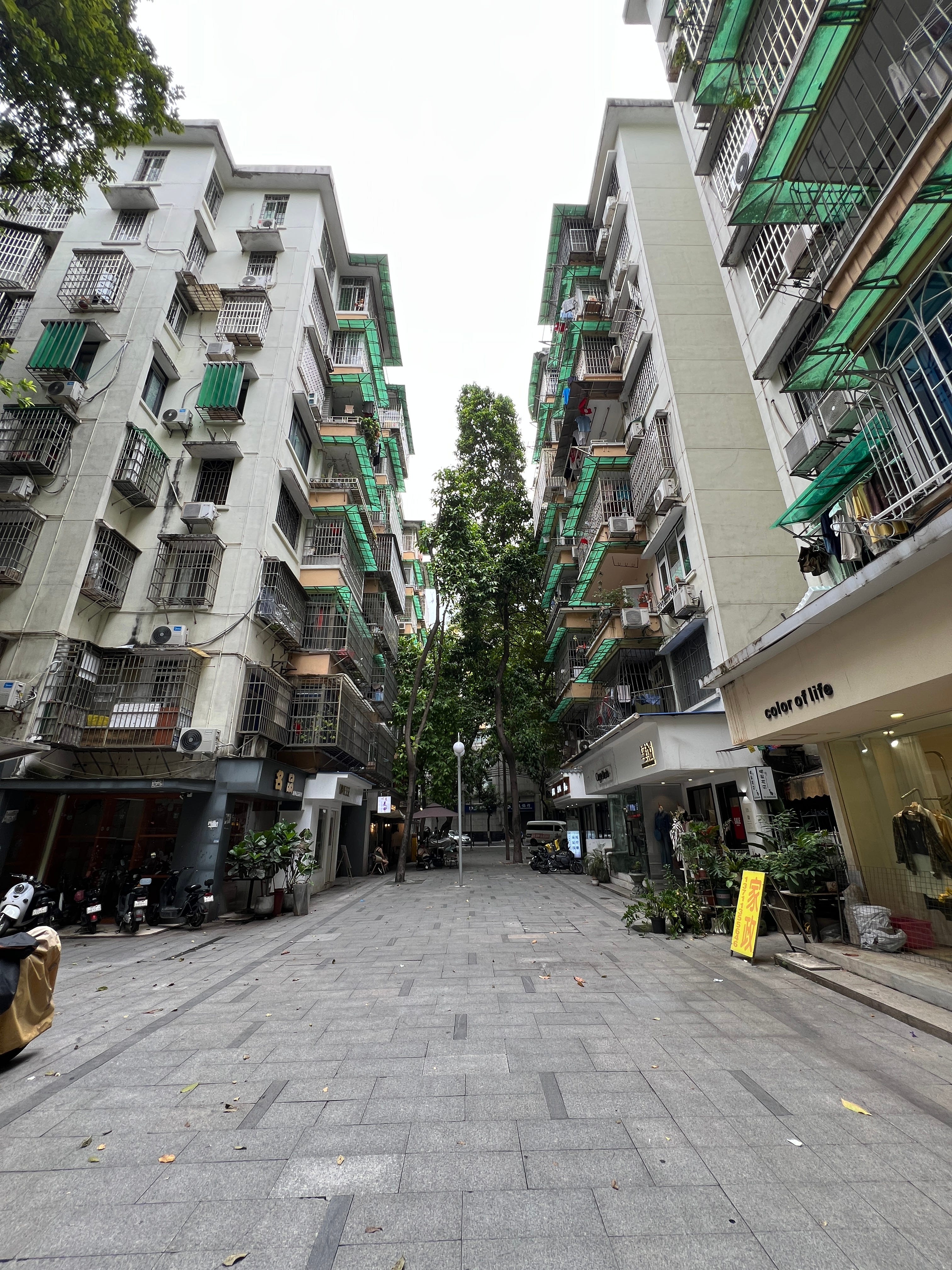
I think one of the most useful realizations from traveling is that you don’t need to turn every enjoyable destination into a permanent residence.
Sometimes a country is perfect for a few weeks.
Sometimes it’s worth spending several months there.
Sometimes it’s a place you’d like to return to regularly without ever establishing a full-time home.
And sometimes, after spending enough time somewhere, you realize it offers the right combination of stability, opportunity, relationships, and comfort to become a genuine base.
All of those outcomes have value.
The mistake is assuming that the only meaningful way to appreciate a place is to move there.
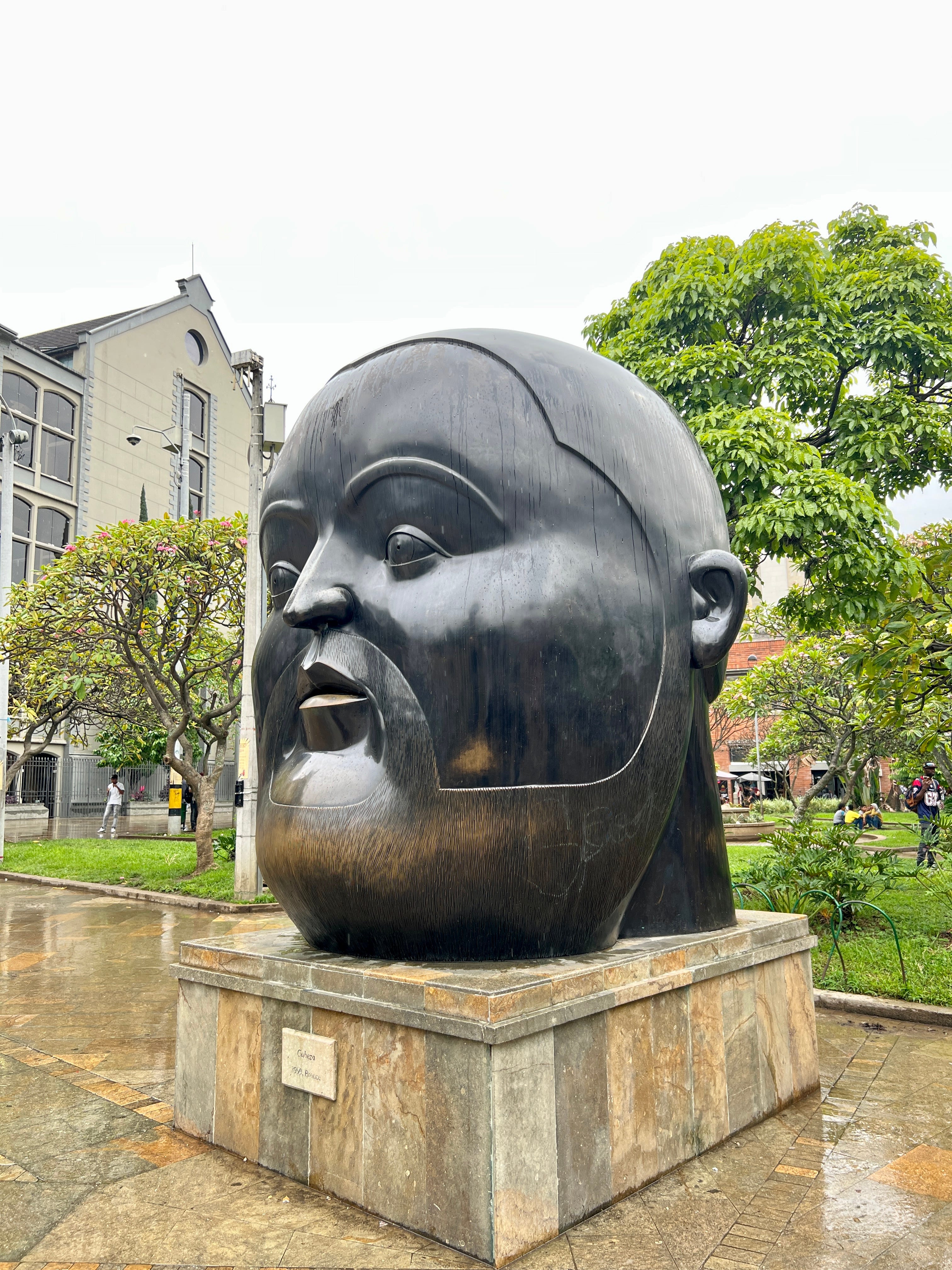
I don’t need to permanently relocate to Mexico City to enjoy its incredible food and cultural scene.
I don’t need to organize my entire career around Thailand to appreciate spending time there.
And I don’t need to abandon my professional opportunities in the United States to maintain a relationship with the places I’ve come to love abroad.
What I need is a sustainable arrangement that allows these different parts of my life to coexist.
That requires planning.
It requires money, flexibility, reliable systems, and a willingness to make trade-offs.
And it requires being realistic about the difference between what looks attractive from the outside and what actually works over time.
The romantic version of international living is waking up somewhere beautiful with no obligations.
The more interesting version, at least to me, is having the ability to build, work, develop relationships, and pursue your interests across different environments without sacrificing the stability needed to sustain that freedom.
That’s a much harder objective.
But I think it’s a more worthwhile one.
The Real Goal Isn’t Finding Paradise

I’m no longer particularly interested in finding the perfect country.
I don’t think it exists.
Every location offers something and demands something in return.
The United States might provide excellent professional opportunities while requiring substantial spending to maintain the lifestyle you want.
Mexico City might offer extraordinary culture and social variety while forcing you to deal with pollution and congestion.
Parts of Asia might provide an appealing combination of convenience, food, and international connectivity while presenting different residency or business considerations.
None of these contradictions makes a place inherently good or bad.
It simply means each location needs to be evaluated according to what you expect from it.
And those expectations should change depending on whether you’re planning a vacation, a six-month stay, or a permanent relocation.
For me, the objective is becoming clearer.
I want a strong financial and professional foundation, access to environments where I enjoy living, and the ability to maintain meaningful relationships across borders.
I don’t necessarily need one country to deliver all three.
Maybe the solution is a primary business base with periodic stays elsewhere.
Maybe the arrangement evolves as my business and personal circumstances change.
I’m not pretending to have every detail figured out.
But I’ve stopped believing that the goal of international living is to identify one magical destination and relocate there forever.
The goal is to develop the freedom, resources, and judgment to choose environments that serve different parts of your life.
And to know when a place has served its purpose.
Because I’ve learned that a country can be an extraordinary place to visit without being the right place to establish your career.
It can be an excellent place to spend several months without being somewhere you’d want to stay permanently.
And it can become a meaningful part of your life without ever becoming your only home.
Travel shows you what a place has to offer. Living there reveals what it asks of you in return.
Understanding that difference might be one of the most important things I’ve learned from spending time abroad.
The Global Link Question
Have you ever visited a country you loved but realized you wouldn’t actually want to live there?
Or the opposite, a place that wasn’t particularly exciting as a tourist but turned out to be an excellent place to build a life?
I’m interested in what changed your perspective.
Because sometimes the best place to visit and the best place to live are two completely different answers.
Global Link explores intentional living, cultural fluency, international mobility, and building a life with greater freedom of choice. Subscribe for field notes and practical perspectives on living across borders.